
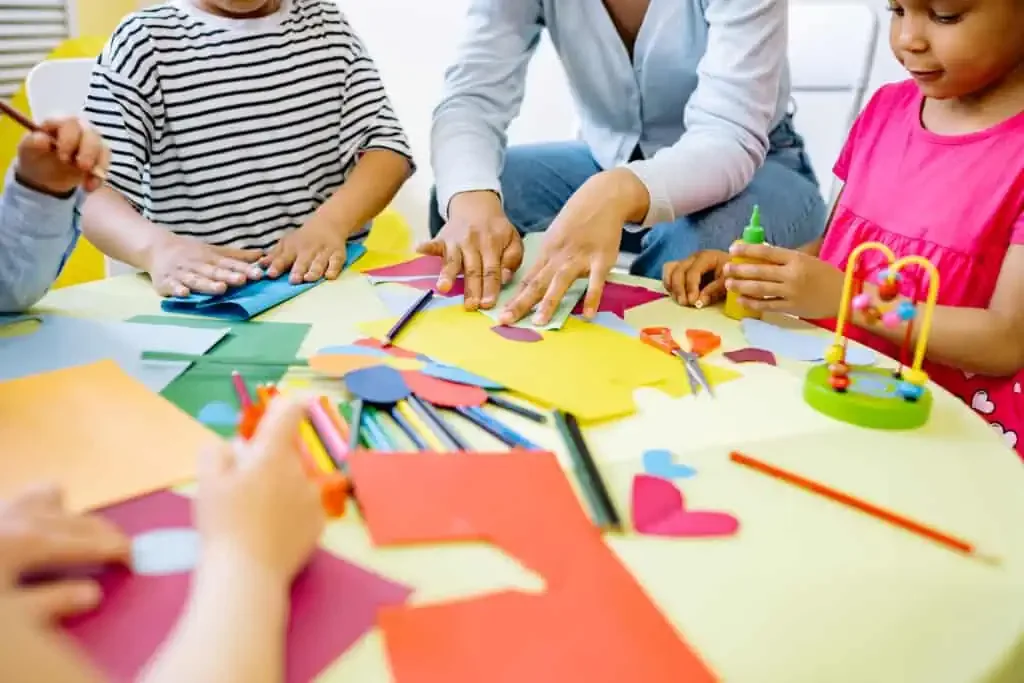

🧠 Introduction to Sensory Play
Sensory play is more than just messy fun—it’s a critical part of early childhood development. From squishing playdough to exploring textures, sounds, and smells, sensory play stimulates brain growth and fosters learning through hands-on exploration. As preschoolers engage in sensory-rich experiences, they build the cognitive, emotional, and physical foundations they need to thrive in school and beyond.
🔬 The Science Behind Sensory Play
How the Brain Responds to Sensory Input
The early years of a child’s life are marked by rapid brain development. Neural pathways form and strengthen based on experiences—especially those involving the senses. When children explore through touch, taste, sight, sound, and smell, their brains form stronger connections that directly support learning.
Role of the Five Senses
Each sense plays a unique role in information processing:
- Touch: Helps understand texture, pressure, and temperature.
- Sight: Assists in visual tracking and color recognition.
- Hearing: Enhances phonemic awareness, important for reading.
- Taste & Smell: Linked to memory, emotion, and early vocabulary.
🧠 Cognitive Benefits of Sensory Play
Enhanced Memory Retention
Repetition and active engagement are key to retaining information. Sensory play combines both:
- Children who trace letters in sand remember them faster.
- Using textured flashcards improves letter and number recognition.
Accelerated Language Acquisition
Sensory play introduces rich, descriptive language. For instance:
- While playing with slime, kids learn words like gooey, stretchy, and sticky.
- Hearing adults narrate activities boosts vocabulary and sentence structure.
👫 Emotional and Social Development
Building Emotional Regulation
Sensory experiences like water play or kneading dough can be soothing. These activities help children:
- Recognize and manage feelings like frustration or excitement.
- Develop coping skills and focus.
Promoting Cooperative Play
Sensory stations encourage group interaction:
- Sharing tools and materials fosters patience and turn-taking.
- Collaborative exploration builds empathy and communication.
🏃 Physical Development Through Sensory Play
Fine Motor Skill Advancement
Manipulating small objects, pouring water, or cutting playdough sharpens fine motor control:
- Essential for pencil grip, buttoning, and self-care tasks.
- Builds hand-eye coordination through purposeful motion.
Gross Motor Skills and Coordination
Activities like walking on textured mats or jumping in leaves engage larger muscle groups:
- Strengthens core muscles and balance.
- Develops body awareness critical for sports and playground play.
💡 Creativity and Problem-Solving Boost
Sensory play invites open-ended exploration, which fuels imagination:
- No “right” way to play allows freedom of expression.
- Children test hypotheses (e.g., “What happens if I mix sand and water?”).
- Encourages curiosity-driven learning.
🧸 Real-World Examples of Sensory Activities
Indoor Sensory Play Ideas
- Sensory bins with rice, beans, or pasta
- Playdough, slime, and kinetic sand
- Light tables with transparent objects
- Sound jars or musical instruments
Outdoor Sensory Play Activities
- Mud kitchens
- Sand and water tables
- Nature walks to collect leaves or rocks
- Bubble stations
🏠 How to Create a Sensory-Rich Environment at Home or School
Parents and educators can enhance sensory learning by:
- Rotating materials to keep experiences fresh
- Encouraging unstructured playtime
- Offering both calm (e.g., lavender-scented dough) and stimulating (e.g., bells, vibrant colors) elements
- Providing multisensory learning tools (like textured letters, scented markers)
🧑🔬 Expert Opinions and Research Insights
According to the American Academy of Pediatrics, sensory play is essential for supporting neural plasticity in early childhood. Studies show that children engaged in sensory play demonstrate better academic readiness, problem-solving, and self-control.
Dr. Stuart Shanker, a leading child development researcher, notes that “regulating behavior begins with regulating the senses,” highlighting how sensory experiences underpin all areas of learning.
❓ Frequently Asked Questions (FAQs)
1. What age should sensory play begin?
Sensory play can begin as early as infancy, with activities adapted for safety. Tummy time with textured mats is a great start.
2. How often should preschoolers engage in sensory play?
Daily exposure, even in short 15–30-minute sessions, has measurable developmental benefits.
3. Can sensory play help children with special needs?
Yes, particularly for children with autism, ADHD, or sensory processing disorders. It aids in sensory integration and emotional regulation.
4. Is messy play necessary?
While not all sensory play needs to be messy, tactile exploration often involves some cleanup. It’s part of the learning process.
5. How do I encourage sensory play if my child is hesitant?
Start small with familiar items and gradually introduce new textures. Allow your child to observe before participating.
6. Are there screen-free sensory play options?
Absolutely. Most sensory activities involve real-world materials like water, sand, or natural objects, keeping children away from screens.
🧾 Conclusion
Sensory play isn’t just a trend—it’s a scientifically backed approach to nurturing curious, confident learners. By incorporating sensory experiences into daily routines, parents and educators can spark deeper understanding, foster social-emotional growth, and empower children with the tools they need for lifelong learning.