1. Embracing Early Childhood Curiosity
How Curiosity Fuels Lifelong Learning
Children are naturally curious—constantly asking “why” and “how.” Our curriculum is carefully designed to nurture this innate desire to explore. By embedding open-ended questions, hands-on experiments, and sensory-based activities into daily learning, we help children associate learning with wonder.
Key Features:
- Inquiry-driven play
- Observation journals
- Curiosity corners in classrooms
We don’t just feed information; we cultivate thinkers.
2. A Balanced Blend of Academics and Creativity
Encouraging Right and Left Brain Development
Our learning environment strikes the right balance between structured academics and creative expression. Language and numeracy lessons are paired with music, movement, art, and storytelling.
Benefits:
- Boosts memory and emotional expression
- Encourages divergent thinking
- Bridges cognitive and artistic skills
This balance enables students to grow holistically, without pressure or bias toward one domain.
3. Play-Based Learning that Builds Core Skills
Role of Experiential Learning in Early Years
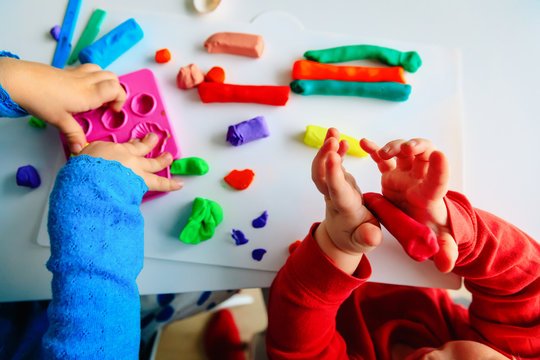
Play is serious work for young children. It helps build motor skills, social behavior, cognitive flexibility, and executive functioning. Our play-based curriculum is aligned with early childhood standards, ensuring that learning outcomes are met without rigid traditional instruction.
Key Elements:
- Themed learning centers
- Role-play zones
- Interactive storytelling
We believe the most effective learning happens when it feels like fun.
4. Social and Emotional Intelligence as a Foundation
Empathy, Collaboration, and Communication
Our curriculum incorporates daily routines and lesson plans focused on helping children understand and express emotions. Through group play, story-based emotional exercises, and cooperative learning tasks, children develop interpersonal skills that are vital for lifelong success.
Highlights:
- SEL-focused circle time
- Conflict resolution modules
- Mindfulness and breathing exercises
Building emotionally strong individuals starts early—and we lead that effort.
5. Customized Learning Paths for Every Child
Adaptive Teaching Approaches and Results
Every child learns differently, and our teachers are trained to spot those differences early. We adapt instruction styles and content pacing to match individual strengths and learning modalities—whether auditory, visual, or kinesthetic.
Personalization Strategies:
- One-on-one teacher interaction
- Learning style observation checklists
- Differentiated activities within the same group
No child is left behind or held back.
6. Strong Educator-Parent Partnerships
Transparent Communication and Feedback Loops
Lifelong learning doesn’t stop at school—it continues at home. We maintain an open channel of communication with parents through progress reports, parent-teacher conferences, real-time app updates, and newsletters.
Collaboration Channels:
- Daily digital logbooks
- Family workshops
- Parent learning portals
We create a shared vision for your child’s success.
7. Preparing for the Future—Not Just the Next Grade
Instilling Problem-Solving and Critical Thinking
Future-ready learners need more than facts—they need skills to analyze, question, and innovate. Our STEM modules, literacy frameworks, and challenge-based projects instill a love for solving problems and thinking outside the box.
Skills We Promote:
- Logical reasoning
- Observation and analysis
- Group problem-solving
Your child won’t just memorize answers—they’ll learn to ask better questions.
Incorporating Real-World Themes in the Classroom
Environmental Education, Tech, and Multicultural Awareness
We introduce children to global cultures, sustainability concepts, and age-appropriate technology through weekly themes and immersive activities. These real-world exposures make our curriculum relevant and inclusive.
Real-World Units:
- “Our Planet” Eco Week
- “Around the World” cultural fair
- Intro to coding through puzzles
Children become socially aware, culturally sensitive, and future-ready.
Assessments that Motivate, Not Intimidate
Growth Mindset-Oriented Evaluation Systems
We use positive reinforcement, developmental checklists, and teacher observations to track progress. There are no red marks or test anxieties here—only celebrations of progress and areas for growth.
Evaluation Tools:
- Portfolio assessments
- Skill progression charts
- Achievement celebrations
Every child learns at their own pace—and we honor that.
Ongoing Professional Development for Teachers
Keeping Our Educators at the Forefront of Pedagogy
Our educators are lifelong learners themselves. Through regular workshops, certifications, and pedagogical training, we ensure they are equipped to deliver the best learning experience to your child.
Teacher Development Focus:
- Modern teaching methodologies
- Emotional intelligence in education
- Classroom innovation strategies
Well-trained teachers inspire better learners.
Parental Testimonials: Real Voices, Real Impact
Why Families Recommend Our Curriculum
“Since joining, my daughter wakes up excited to go to school. She’s asking smart questions and is way more confident. We couldn’t be happier!”
— Meera S., Parent
“The teachers are so involved and keep us updated. It really feels like a team working for my son’s growth.”
— Ankit R., Parent
FAQs
1. What age group is your curriculum designed for?
Our curriculum is ideal for children aged 2 to 6, focusing on pre-kindergarten readiness and foundational learning.
2. How does your curriculum support different learning styles?
We use multi-sensory teaching methods tailored to auditory, visual, and kinesthetic learners.
3. Is the curriculum aligned with any educational standards?
Yes, we align with national early childhood education frameworks and integrate global best practices.
4. Do you offer updates to parents regularly?
Absolutely. Parents receive real-time updates through our app, weekly newsletters, and regular meetings.
5. What makes your approach different from traditional preschools?
We prioritize individualized learning, creativity, and social-emotional development over rote memorization.
6. How are your teachers trained?
All educators undergo continuous professional development and hold certifications in early childhood education.
Conclusion: A Lifelong Journey Begins Here
The goal of early education should not be limited to acing the next milestone—it should set the foundation for curiosity, empathy, resilience, and adaptability. Our curriculum is more than just a lesson plan; it’s a carefully designed path that supports lifelong learning and future success.
With our child-first approach, we’re not just preparing students for school—we’re preparing them for life.